
Logistics & Transport Assets · Technology, AI & Digital Transformation
AI Demand Forecasting
Forecast demand more accurately and hold the right stock in the right place
Discuss this serviceWhat it is
AI Demand Forecasting
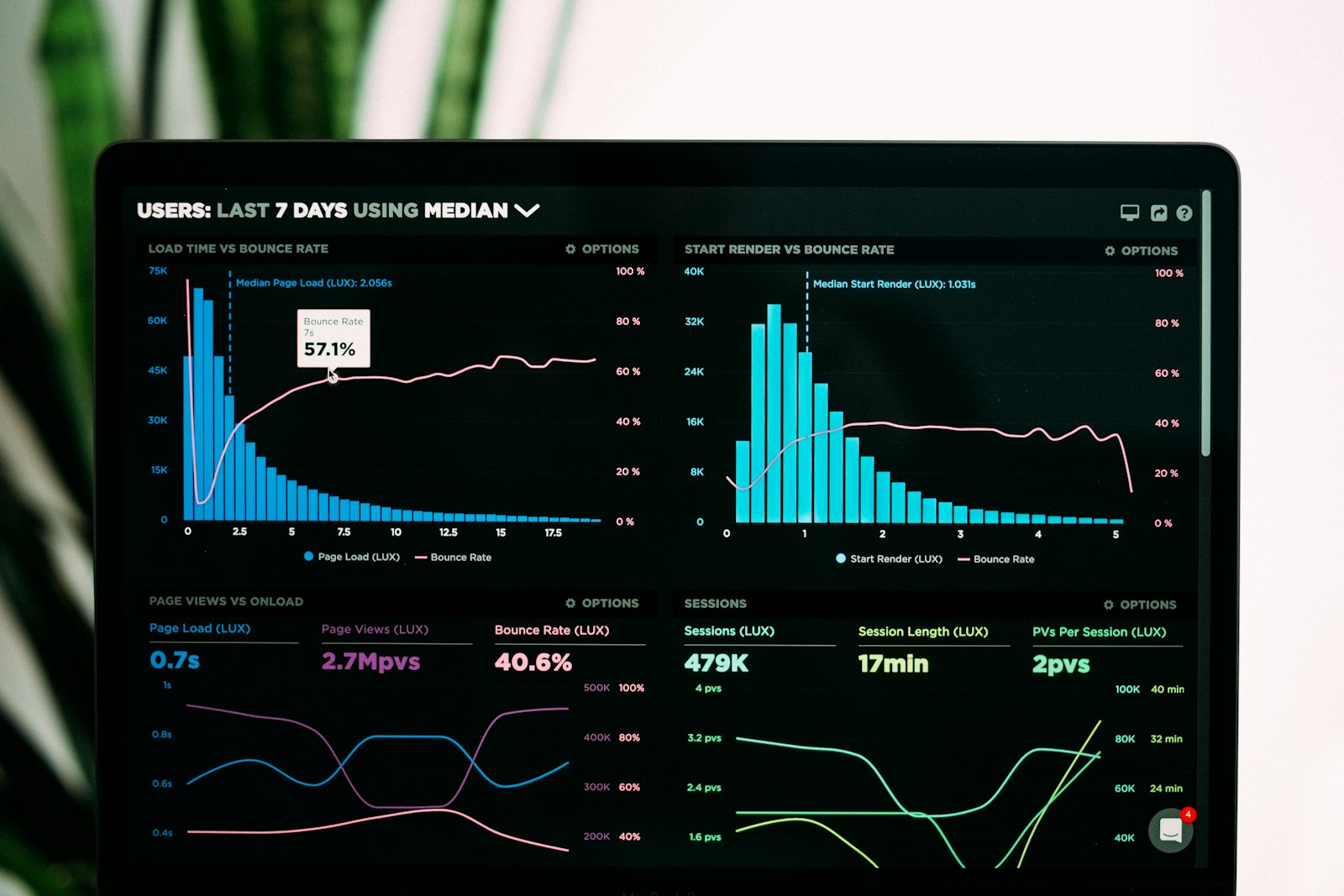
We build and integrate machine learning demand forecasting and inventory optimisation tools. Instead of static spreadsheet formulas, our models use sales history, promotions, pricing, seasonality, and lead times to produce SKU-level forecasts and replenishment recommendations.
- Typical duration
- 8 to 14 weeks for build and ERP integration
- Industry
- Logistics & Transport Assets
The business problem
Why clients need this
Forecasts based on historical averages miss demand swings, leading to stockouts on fast movers while slow-moving stock ties up working capital.
- 01
High forecast error forces large safety stock buffers at every warehouse tier.
- 02
Orders are lost to stockouts while cash is tied up in ageing inventory.
- 03
Planners spend most of their time updating spreadsheets rather than managing exceptions.
Our approach
How we deliver it
- 1
Data Preparation & Feature Engineering
Assembling sales history, promotions, prices, lead-time variability, and relevant external indicators.
- 2
Model Selection by SKU Segment
Testing statistical and machine learning approaches (for example LightGBM, Prophet, and neural models) and choosing the best performer for each SKU-location segment.
- 3
Multi-Echelon Inventory Optimisation (MEIO)
Setting safety stock and reorder levels across plants, regional hubs, and local fulfilment centres.
- 4
Replenishment & ERP Integration
Feeding reorder recommendations into SAP, Oracle, Microsoft Dynamics, or your existing planning tools.
Data & AI
How technology strengthens this service
Probabilistic forecasts give a range of likely demand, not just a single number, so safety stock can be set for the service level you choose rather than by rule of thumb.
How we use AI across our workTypical deliverables
What you receive
- Machine Learning Demand Forecasting Model, deployed and documented
- Multi-Echelon Safety Stock & Reorder Model
- Inventory Health Dashboard (excess, healthy, and at-risk SKUs)
- ERP / WMS Data Pipeline Integration
Outcomes
What changes for you
- Measurably lower forecast error (MAPE) against your current method, tested on held-out data before go-live
- Lower inventory for the same or better service level
- Planners focused on exceptions, with routine replenishment automated
Who it is for
- Consumer goods & retail brands
- Industrial spares & aftermarket distributors
- Pharmaceutical & healthcare supply chains
- Growing e-commerce & D2C businesses
FAQs
Common questions
How is this better than our ERP's built-in forecasting?+
ERP modules usually rely on moving averages or exponential smoothing. Machine learning models can account for promotions, price changes, seasonality, and lead-time variability, and we benchmark them against your current forecasts before you switch.
Can it forecast new products with no sales history?+
Yes, approximately. We use attribute-based matching to borrow demand patterns from similar existing products, then update the forecast as real sales come in.
Do we need data scientists to run it?+
No. Planners use web dashboards with exception alerts and recommended orders, and we provide training and handover documentation.
Related
More from Logistics & Transport Assets
Logistics Cost & Freight Diagnostic
Freight cost analysis, lane benchmarking, and modal options to lower total distribution spend.
Explore the serviceSupply Chain Network & Warehouse Optimization
Modelling plant, warehouse, and fulfilment locations for the right balance of service and landed cost.
Explore the serviceWarehouse Automation Advisory
Independent feasibility, vendor selection, and design review for warehouse robotics and automated storage.
Explore the serviceArticle · Logistics & Transport Assets
Freight cost is a network problem. Start with the lanes.
A practical way for U.S. shippers to connect freight spend, warehouse choices, inventory, and service levels.
11 October 2026 · 5 min read
Discuss ai demand forecasting with our team
Tell us about your site, plant or network. A senior consultant will reply within two business days.